What if you could sell products carrying your own designs without ever buying stock, packing a box, or booking a courier?
That is exactly what print on demand (POD) does. You create the design, and the provider handles the rest: printing, packaging, and shipping straight to your customer.
A print-on-demand store is one of the cheapest ways to start selling online, because nothing gets printed until someone pays for it. Your money goes into design and marketing instead of inventory. In this guide, you'll learn how to build a print-on-demand store on Salla, step by step, with real examples from stores already doing it well.
To build a print-on-demand store, choose a specific audience and a small product range, design a brand identity that fits it, connect a print provider that handles production and shipping, market the store around the story behind your designs, and stay on top of orders and customer questions yourself.
📌 Article overview
- Choosing your idea and your products
- Designing your brand and the customer experience
- Choosing a print provider
- Marketing your store
- Managing orders and customer service
- Frequently asked questions
🚀 The five steps to a print-on-demand store
1. Choose your idea and your products
2. Design your brand and the customer experience
3. Choose a print provider
4. Market your store
5. Manage orders and customer service
1. Choose your idea and your products
Start with the audience, not the product. Who are you printing for?
- Art prints for people who care about their walls?
- Notebooks for readers?
- Mugs with a bit of humor on them for a younger crowd?
The narrower your audience, the easier the designs get and the sharper your marketing becomes.
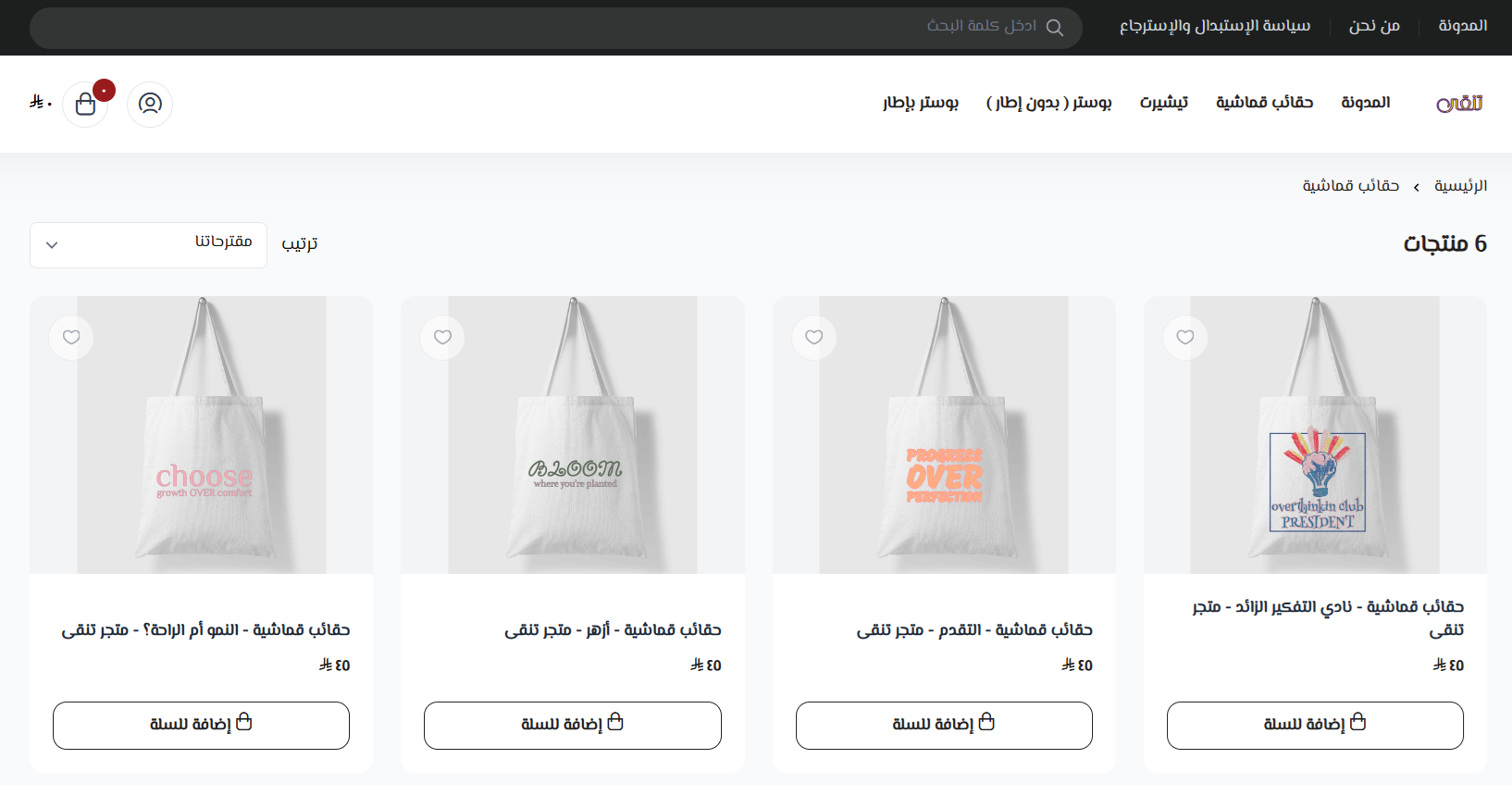
sells:
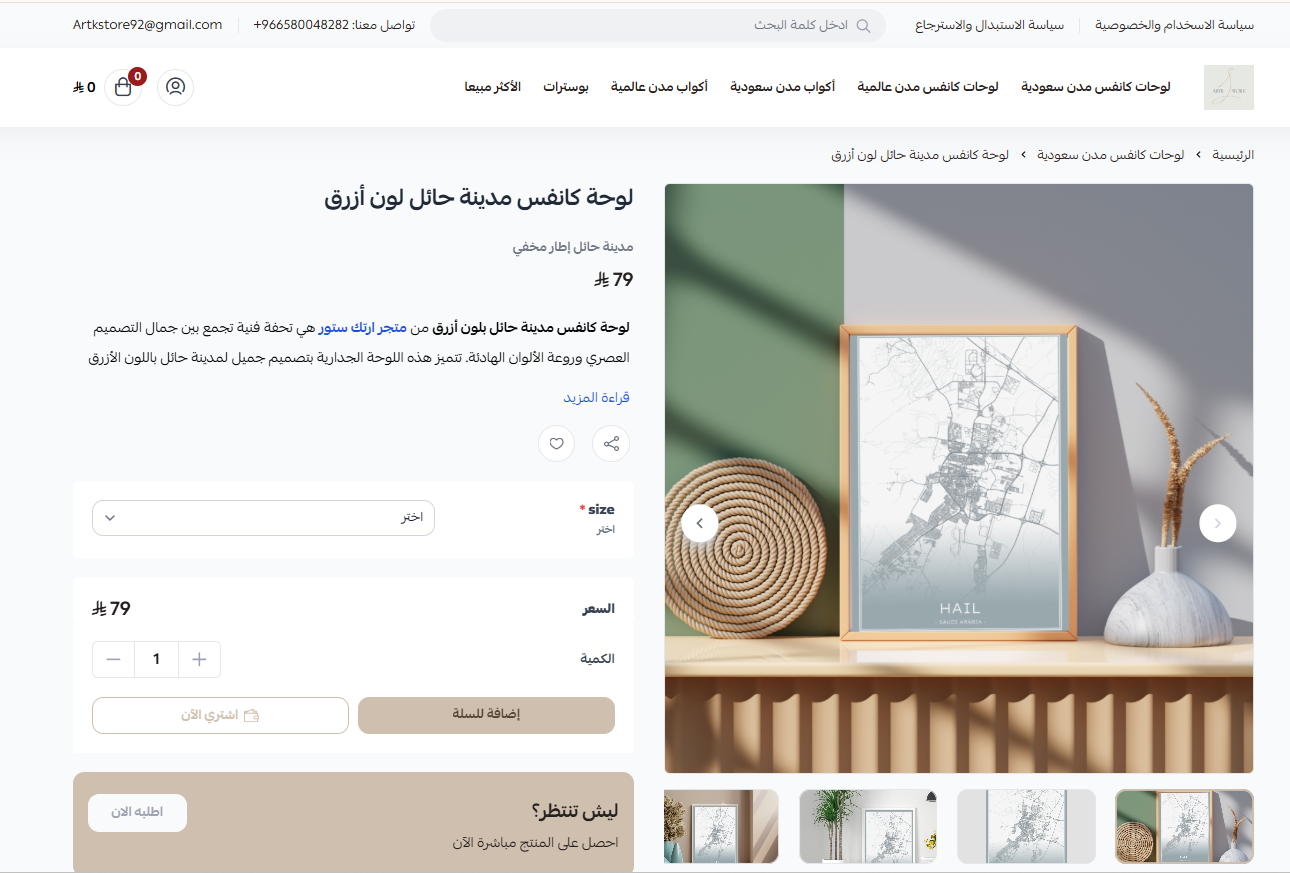
- Tote bags: practical and quietly stylish, with designs that carry a point of view.
- Posters: wall pieces sold unframed for people who want to choose their own frame, or ready-framed for an instant finish.
2. Design your brand and the customer experience
Start with the visual identity. Pick colors, fonts, and a logo that say something about the brand and set it apart from everything else on the shelf.
Keep the design language consistent. From product photography to the packaging that lands on the doorstep, every detail should look like it came from the same place.
Design the whole journey. Browsing, choosing, checking out, and unboxing should feel easy and look good all the way through.
💡 If design is not your strength, you don't have to figure it out alone. In Salla, open the merchant services page to find professional designers and brand specialists who can help you:
- Design a logo that fits the business.
- Build product templates and packaging that match your brand.
- Produce print-ready POD artwork at high quality.
- Improve how your products look on the storefront.
The result is a store that sells an experience worth remembering, not just a product.
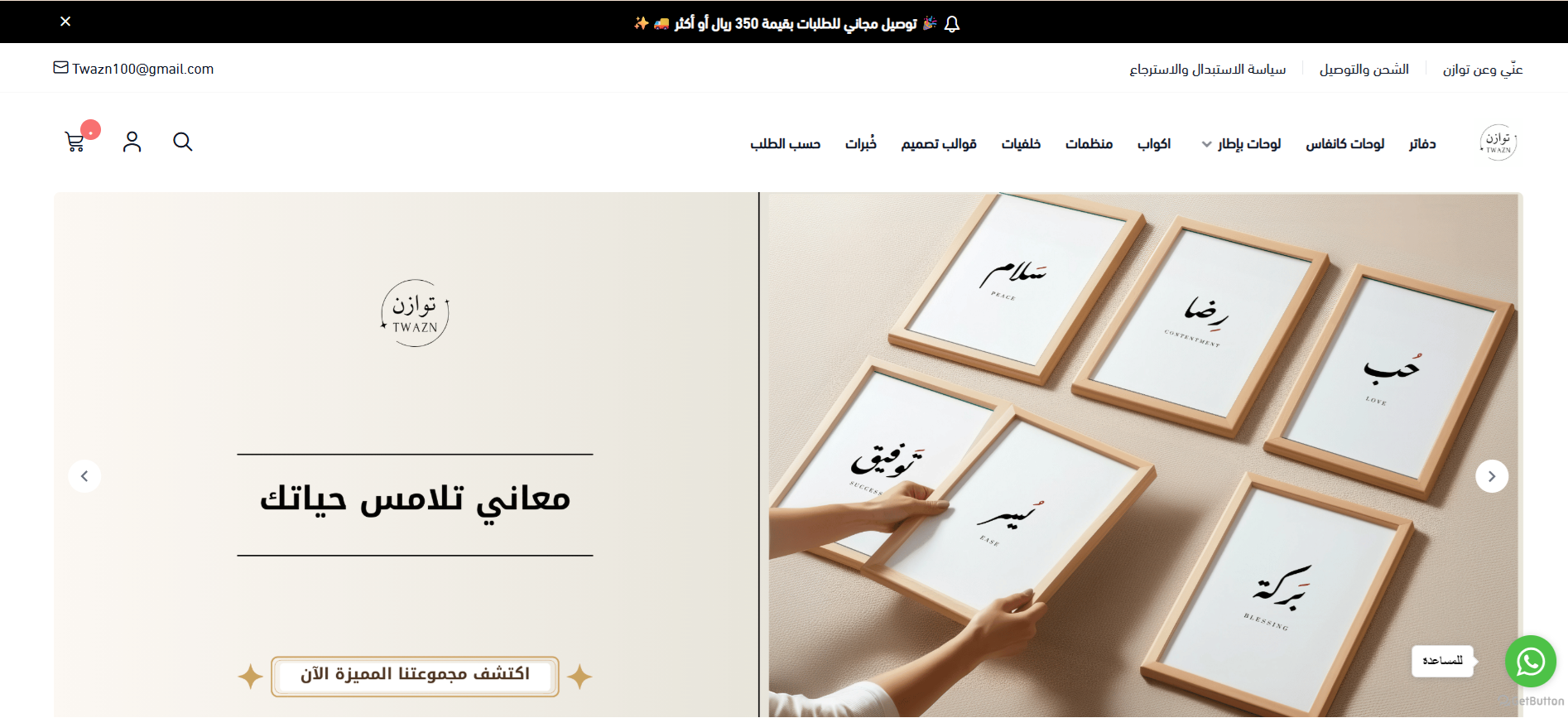
is a good example of a clear, attractive identity. The site uses calm, elegant colors that suit its range of mugs, art prints, and custom notebooks.
The logo is simple and creative, which makes the brand easy to like.
The typography follows the same artistic tone, so browsing feels comfortable rather than busy.
3. Choose a print provider
This is one of the decisions that shapes everything downstream: product quality, delivery speed, and what your customer thinks of you.
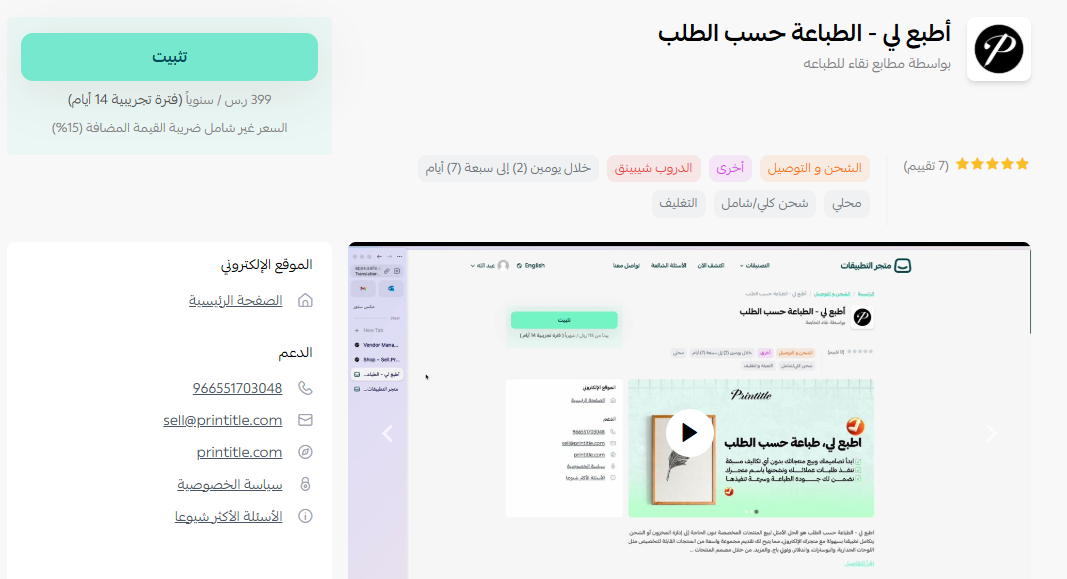
💡 The Atbaali app is a reliable choice, because it offers:
- A wide range of customizable products: art prints, posters, notebooks, coffee mugs, and tote bags.
- An easy product designer: upload and edit your artwork directly from the dashboard.
- End-to-end fulfillment: printing, packaging, and shipping to your customer.
- Local shipping at competitive rates, with shipping costs set from inside the app.
Choosing Atbaali saves you the work of lining up several suppliers, and keeps every stage of production and delivery under one roof.
For more detail, see the Atbaali app guide.
4. Market your store
This is where growth actually happens.
In print on demand, you are rarely competing on the product itself. Someone else can print a similar mug. What they cannot copy is the story you tell around it.
🔹 Creative content:
- Show the process. Film short clips of a design coming together or a print run being made, and let customers feel part of it.
- Make design a conversation. Let your audience vote on the next drop, or share ideas before you launch and ask what they think.
- Share customer stories. Post photos of customers with your products, with their permission, and a line about why they picked that design.
🔹 Build a community around the brand:
- Stay active on Instagram and TikTok, and lean on short video full of color and movement.
- Run design challenges or competitions for new phrases and illustrations, with the winning entry printed and sent free.
- Tie products to the calendar, local or global: National Day designs, Ramadan, a big sporting event.
🔹 Content marketing instead of hard advertising:
- Start a blog or a running series called "the story behind the design" about what inspired each piece.
- Give practical tips on styling prints at home or in the office, using your own products as the example.
🔹 Smart collaborations:
- Work with micro influencers who have a genuinely engaged audience in your niche.
- Partner with artists or calligraphers on exclusive designs released under their name in your store.
💡 Remember: the goal is not only to sell. It is to become the store people think of when they want something that feels like them.
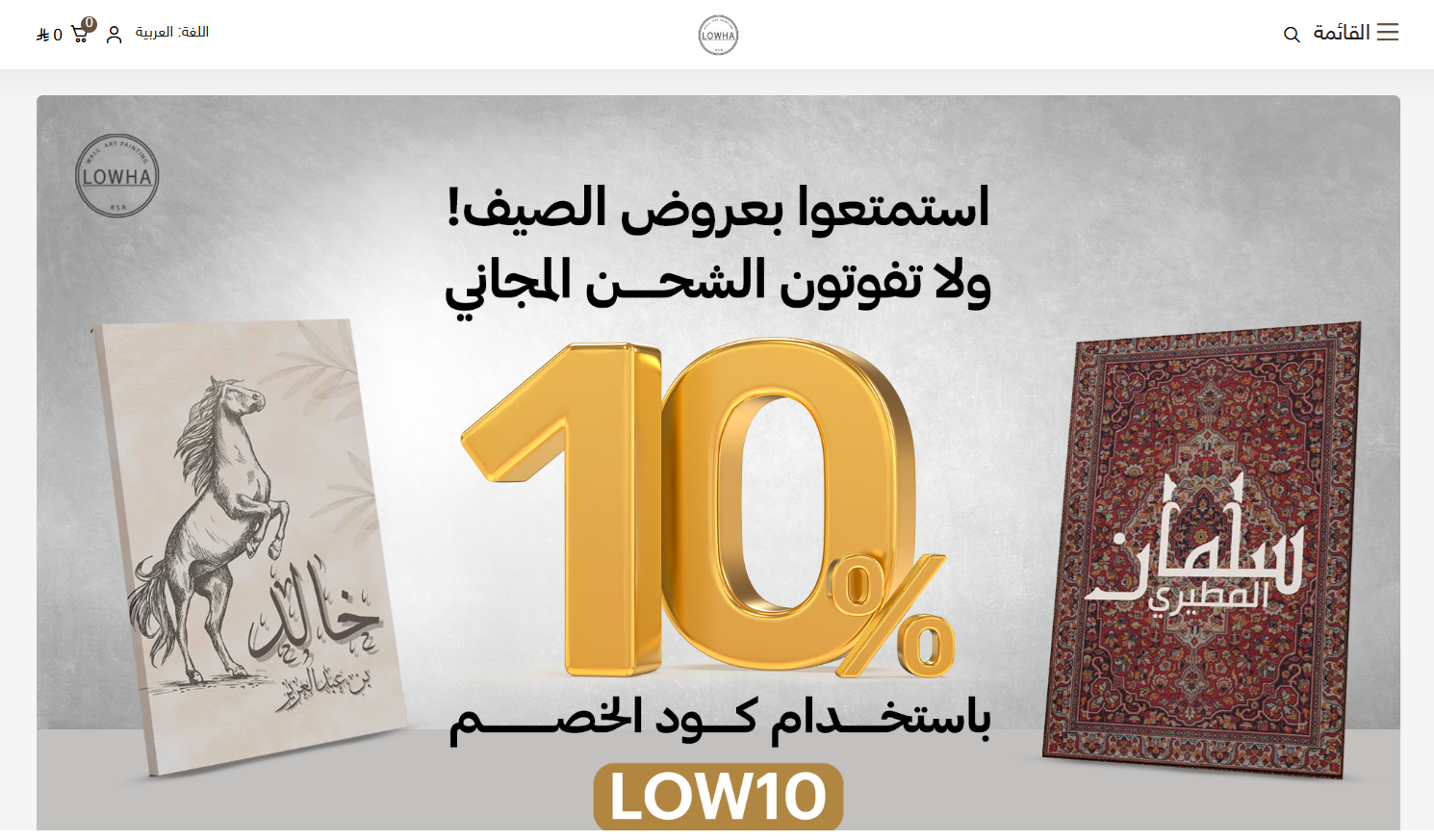
grew on the back of a strong identity and steady engagement with its customers.
The store used Salla to build a smooth browsing experience with designs that hold attention.
It told visual stories on Instagram and TikTok, mostly short videos of the design and local printing process, which made the brand feel close and real.
It shared decor tips through its "story behind the design" posts, which built a genuine emotional connection. Combined with local quality and fast shipping, that approach produced a loyal community and reviews like "their work is beautiful and fast" and "excellent, well-made work" that strengthened its reputation in the Saudi market.
5. Manage orders and customer service
The provider handles production and shipping. The relationship with the customer is still yours.
- Watch order status as it moves.
- Answer questions quickly.
- Fix product or delivery problems on the spot.
outsources production and still built a strong reputation, because it takes service seriously:
- Real order tracking: the store uses Salla's shipping integrations so customers get automatic email notifications with tracking links, which cuts support questions sharply.
- Fast replies: several contact channels, including email and chat, with a commitment to respond during working hours (10 a.m. to 2 p.m. on weekdays).
- Immediate resolutions: a returns policy allowing 30 days to withdraw, with return costs covered when the fault is the store's.
That transparency is what earned the store its standing in the print-on-demand market.
From an idea to a store that sells
With a service like Atbaali, anyone can turn a design into a real product sold from their own online store, with no storage costs and no logistics headache.
All you need is a strong idea, a distinctive design, and a smart marketing plan. The print-on-demand provider takes care of the rest.
Customize your products to order.
See how to create a shopping experience of your own by adding made-to-order products, with full control over options and pricing to keep customers happy and your catalog tidy.
🔍 More ways to learn
🚀 Start selling today with no capital.
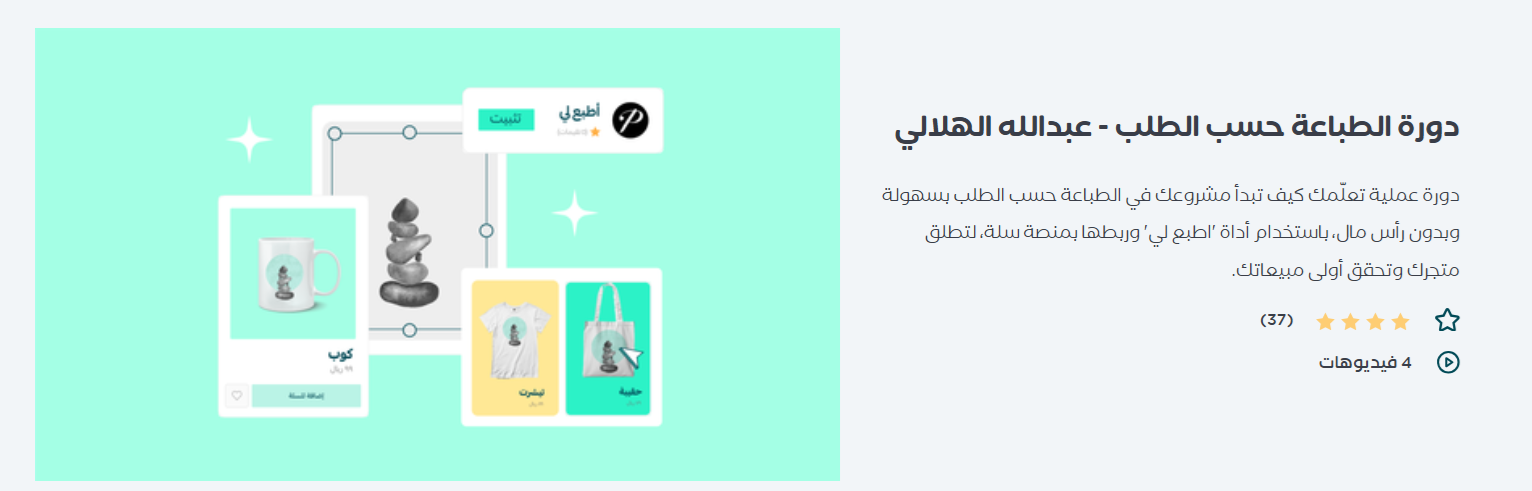
Join the print-on-demand course with Abdullah Alhilali and learn how to launch your store using the Atbaali tool connected to Salla.
📦 Create your own products, open your store, and make your first sales quickly.
❓ Frequently asked questions
Do I need to hold stock for a print-on-demand store?
No. Nothing is printed until a customer orders it, so there is no inventory to buy and nothing to store.
Who handles printing and shipping?
The print provider. With the Atbaali app, printing, packaging, and delivery to your customer are all handled for you, including local shipping at competitive rates.
What am I still responsible for?
The design, the brand, the marketing, and the customer relationship. Tracking orders and answering questions stays with you even when someone else prints the product.
What products can I sell?
Customizable items such as art prints, posters, notebooks, coffee mugs, and tote bags.
What if I can't design?
Use the merchant services page in Salla to hire a designer or brand specialist for your logo, product templates, and print-ready artwork.
Print on demand removes the two things that usually stop people from starting: capital and logistics. What is left is the part only you can do, which is having something worth printing.