Want to run your online store by the book — and avoid fines, suspension, or having your store blocked?
Starting your ecommerce business on a solid legal footing protects everything you build afterward. This guide walks through the key merchant obligations that apply to you as a merchant or ecommerce practitioner under the E-commerce Law in Saudi Arabia. In this guide, you'll learn what information your store must display, when to register and authenticate your store, and the rules on data protection, invoices, returns, and penalties.
Under the Saudi E-commerce Law, a merchant must display the store's identifying information and contact channels, add the store to their commercial registration, authenticate the store with an approved authority, protect consumer data, provide complete contracts and invoices, and honor exchange and return rights — or face penalties of up to SAR 1 million.
A tool that helps you find the best authentication path for your store, step by step: start here.
📌 Article overview
- Essential information your store must display
- Adding the store to your commercial registration
- Authenticating your online store
- Protecting consumer data
- Electronic contract details
- Invoice details provided to the consumer
- Rules for ecommerce practitioners
- Exchange and return provisions
- Penalties
🎯 Essential information your store must display
1. Store information
This includes:
- The merchant's name (or a distinguishing identifier) and address.
- The name and number of the register the store is recorded in, if any.
- The tax number and tax certificate.
- Proof that the store is authenticated with an approved authentication authority, such as the Saudi Business Center platform.
- Licenses issued by the competent authorities, if any.
For more details, see preparing your store to comply with the E-commerce Law.
2. Contact channels that let consumers reach the merchant
This includes:
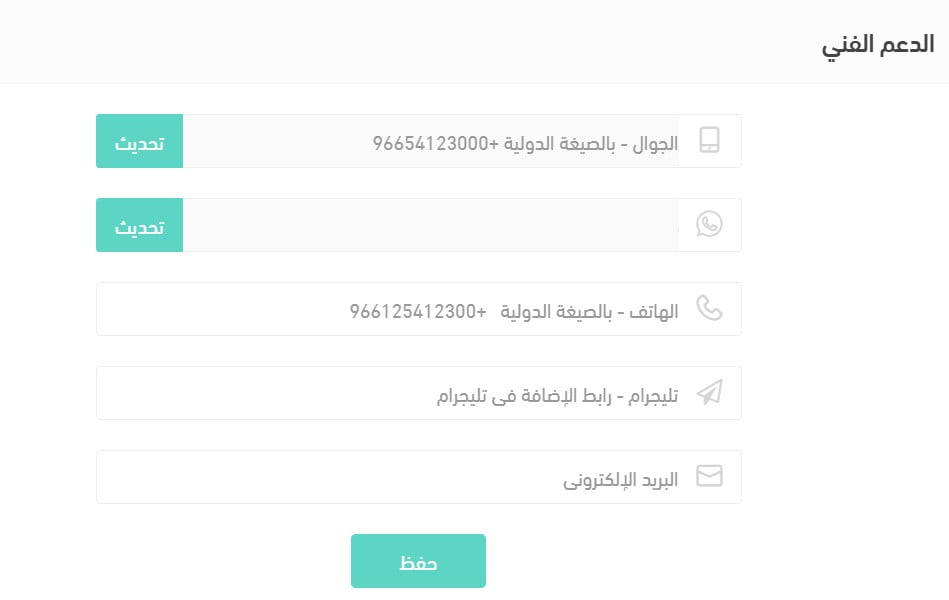
- A phone number and email address (added from your store's basic settings).
- Social media channels (added from your store's basic settings).
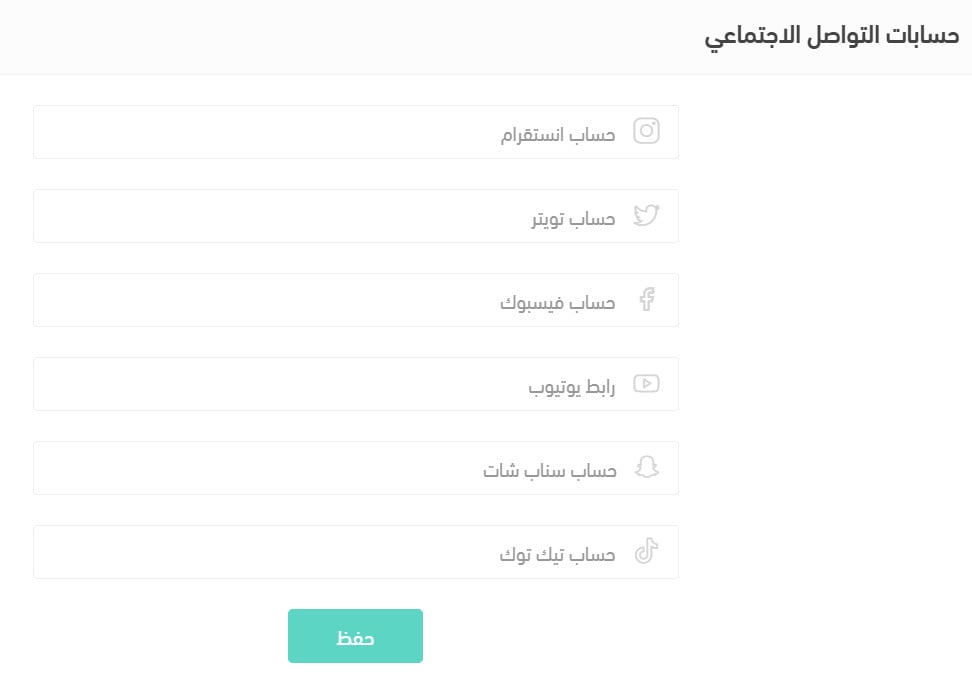
For more details, see your store's basic settings.
- Live chat, available in Arabic.
Add it through one of the live chat apps in the Salla App Store, under the chat category.

For more details, see managing your store's apps.
For details on installing the available chat apps, see the chat section of the Help Center.

📝 Important notes
Your channels for receiving and handling consumer complaints must include:
- The ability to file a complaint on the website.
- The ability to file a complaint through social media.
- A stated response time for complaints.
- A stated resolution time for complaints.
- Arabic language support for filing complaints.
3. Terms of use, privacy policy, and exchange and return policy
Add each of these as a static page in your store.

For more details, see creating a new static page.
Adding the store to your commercial registration
If you hold a commercial registration and want to add your online store to it, submit an electronic application on the Ministry of Commerce website — including the applicant's name, activity details, and the store's description and address — within 30 days of creating the store.
For more details, see obtaining a commercial registration.
Authenticating your online store
You must authenticate your store with an approved authentication authority by submitting an application that includes:
- The merchant's name, nationality, and contact details.
- Commercial registration information.
- The merchant's ID.
- The names of persons authorized to sign.
- Licenses issued by the competent authorities, if any.
For more details, see authenticating your store on the Saudi Business Center platform.
Protecting consumer data
You must protect consumers' personal and contact data and never share it with any other party.
Electronic contract details
Before completing a sale, the electronic contract must state:
- The procedures for concluding the contract.
- The online store's information.
- The specifications of the product or service offered.
- The total price, including taxes and delivery fees.
- Warranty and after-sales service details, if any.
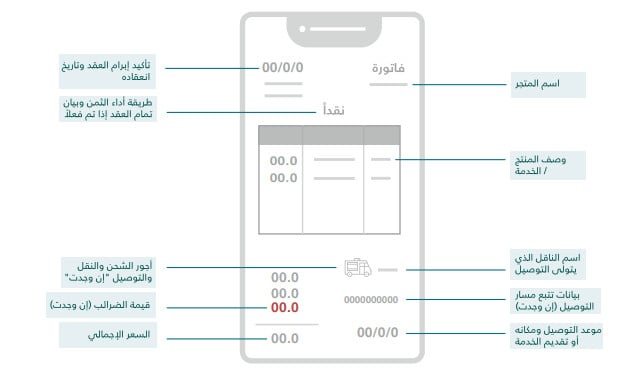
Invoice details provided to the consumer
The consumer has the right to a saveable invoice that contains all the essential information they need, including the identity of the online store they contracted with to buy the products or services. The invoice includes:
Rules for ecommerce practitioners
The E-commerce Law allows a person without a commercial registration to practice ecommerce — but only after obtaining a freelance certificate from the freelance platform. The law regulates the relationship between the practitioner and the consumer in a way that protects everyone's rights.
Under the law, an ecommerce practitioner must:
- State their place of business — the location declared in the online store or with the authentication authorities. A practitioner without business premises may use their residence per their registered national address, provided the location suits the nature and size of the activity and the activity does not disturb public tranquility.
- Display their information in the online store (name or distinguishing identifier, address, contact channels), the privacy policy, complaint procedures, and the tax number, if any.
- Protect consumers' personal data and privacy, and bear full responsibility for it.
- Accept the prescribed penalties for any violation of the law.
- Provide all electronic contract details required by the law.
- Allow inspection and monitoring officials access to their place of business and any other location connected to the activity.
Exchange and return provisions
As a store owner, you must respect all consumer rights in ecommerce. The law entitles the consumer to return a product — or recover what they paid for a service — within 7 days of the purchase date, subject to the product categories the law excludes from return or cancellation, and provided the consumer has not used the product or gained its benefit. In that case, the consumer bears the return costs unless agreed otherwise.
If the merchant is more than 15 days late in delivering or fulfilling the product, the consumer has the right to cancel the order.
You must also comply with Salla's terms of use and the provisions of the E-commerce Law, without violation.
Penalties
Anyone who violates the law or its regulations faces one or more of the following penalties:
- A warning.
- A fine of up to SAR 1 million.
- Temporary or permanent suspension from practicing ecommerce.
- Partial or complete blocking of the online store — in coordination with the competent authority — temporarily or permanently.
📝 Important notes
Everything above is drawn from the E-commerce Law and the online store requirements guide issued by the Ministry of Commerce.
For more details, see the key articles of the E-commerce Law.
❓ Frequently asked questions
Do I need a commercial registration to sell on Salla?
You can start your ecommerce activity on Salla after obtaining either a commercial registration in Saudi Arabia or a freelance certificate (as an individual or a productive family).
How long does a consumer have to return a product?
7 days from the purchase date, provided the product is not among the categories the law excludes and the consumer has not used it or gained its benefit. The consumer bears the return costs unless you agree otherwise.
What happens if I deliver an order late?
If delivery or fulfillment is delayed more than 15 days, the consumer has the right to cancel the order.
What penalties can a violating store face?
A warning, a fine of up to SAR 1 million, temporary or permanent suspension from practicing ecommerce, or partial or complete blocking of the store.
Compliance isn't paperwork for its own sake — it is what makes customers trust your store enough to buy. Put these obligations in place early, and your store grows on ground that will not shift under it.